
Europe
-
What Turned Malaya Into a Battleground for 12 Years
-
How The Murder Of An Archduke Started A World War
-
The Hard Truth About Life for the Windrush Generation
-
What Happened When a Dead Pope Was Put on Trial? Cadaver Synod
-
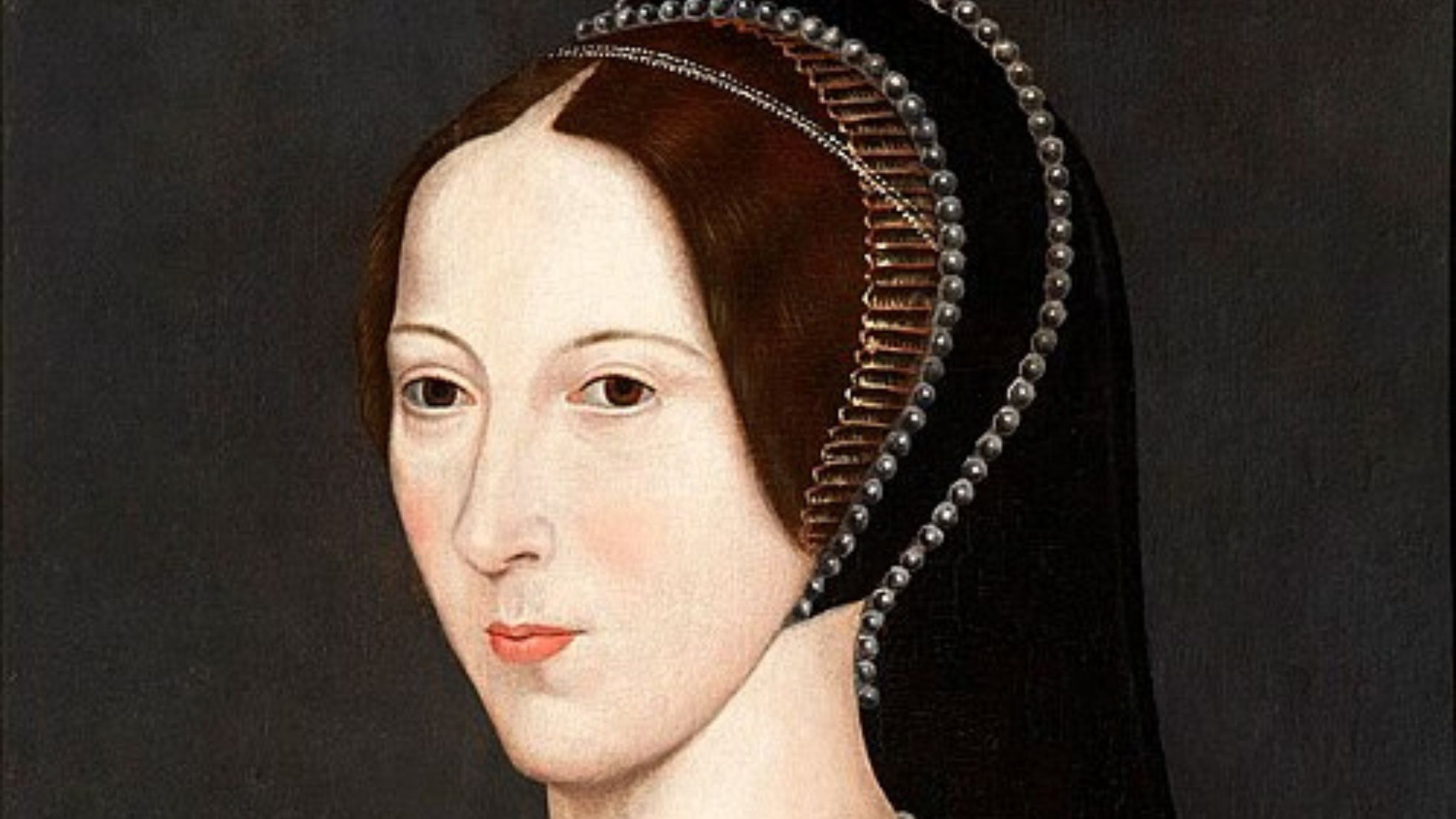
The Truth About Anne Boleyn, England’s Most Controversial Queen
-
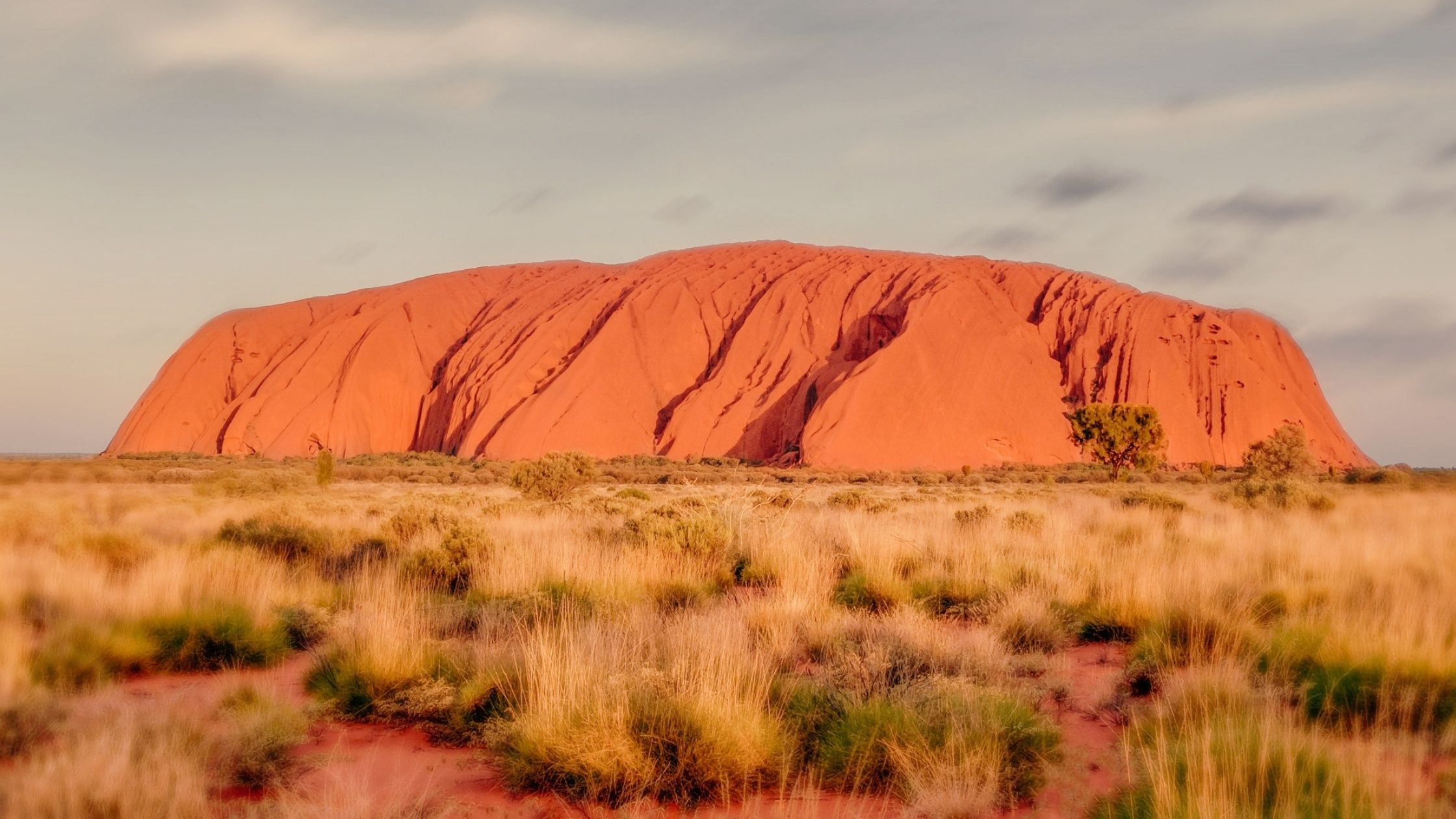
How Australia’s “Empty Land” Myth Survived for 200 Years
-
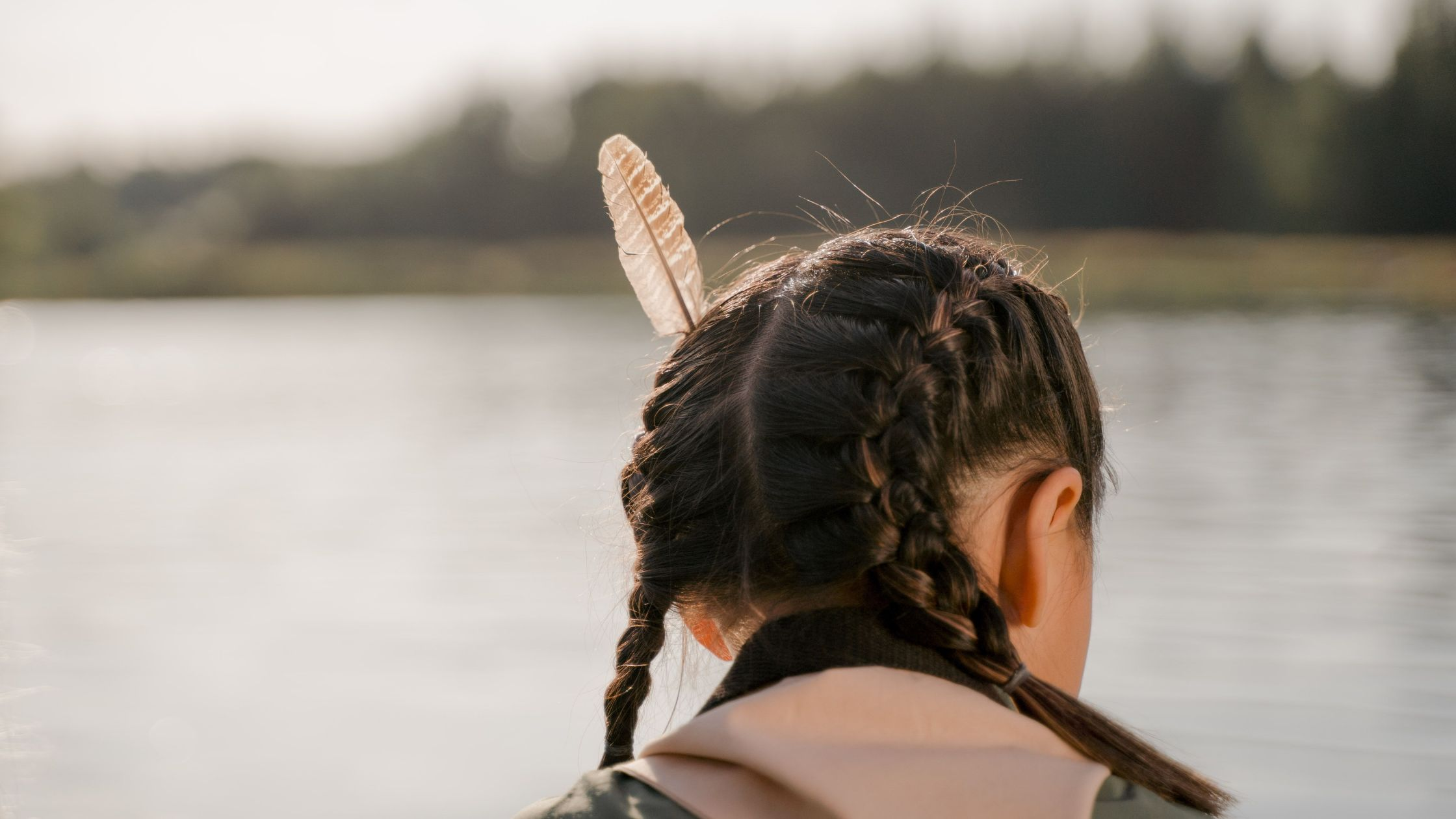
Who Was Pocahontas? And Why We’ll Never Know Her Full Story
-
Why the Opium Wars Really Began: A Deep Dive
History of Europe
Europe’s history is filled with ambition, discovery, conflict and change. Ancient empires rose and fell, kings fought to protect their power, artists challenged old ideas, and ordinary people demanded greater freedom. From the streets of ancient Rome to the factories of the Industrial Revolution, each era brought changes that helped shape the Europe we know today.
Ancient Europe
Ancient Greece laid some of the foundations of European philosophy, politics and art. Its city-states followed different paths, with Athens developing an early form of democracy and Sparta building a society centred on military discipline. Thinkers such as Socrates, Plato and Aristotle questioned how people should live and govern themselves. Their ideas continued to influence European education and political thought for centuries.
Rome began as a small settlement but grew into one of the ancient world’s most powerful empires. Its armies conquered vast territories, while its engineers built roads, bridges and aqueducts that connected distant communities. Roman law and government influenced later European societies. However, the empire eventually fractured. The Western Roman Empire fell in 476 CE, while its eastern counterpart, the Byzantine Empire, endured for nearly another thousand years.
Medieval Europe
After the Western Roman Empire collapsed, much of western Europe entered a period of political fragmentation. Local rulers competed for territory, and powerful nobles controlled large estates. Peasants worked the land, often under demanding obligations, while the Catholic Church shaped religious beliefs, education and political life. Monasteries became important centres of learning in a world where books were costly and literacy was limited.
Medieval Europe was not simply a world of castles and battles. Trade routes expanded, markets flourished and towns attracted merchants and craftspeople. Universities emerged in cities such as Bologna and Paris, bringing scholars together to debate law, medicine, theology and philosophy. These changes gradually opened new paths beyond the traditional rural order.
The Renaissance and European Exploration
By the fourteenth century, Italian cities were becoming centres of artistic and intellectual renewal. The Renaissance encouraged people to revisit ancient Greek and Roman ideas while exploring fresh approaches to art, science and literature. Leonardo da Vinci combined artistic talent with an extraordinary curiosity about the human body and the natural world, while Michelangelo created celebrated sculptures and paintings. The printing press helped these ideas travel far beyond the workshops and libraries where they began.
European voyages across the Atlantic and towards Asia expanded dramatically from the late fifteenth century. Rulers and merchants sought wealth, trade routes and political influence. Yet exploration brought profound suffering as well as commercial opportunity. European conquest dispossessed Indigenous communities, colonial powers exploited overseas territories, and the transatlantic slave trade forcibly transported millions of Africans. These consequences reshaped societies across several continents.
Revolutions and Industrialisation
In 1789, the French Revolution challenged a social order in which the monarchy and privileged classes held enormous advantages. Financial troubles, food shortages and anger over inequality fuelled demands for change. Revolutionaries called for liberty and equality, overturned the monarchy and transformed French politics. The revolution also descended into violence and political repression, revealing how difficult it could be to turn ideals into reality.
Meanwhile, Britain was undergoing another transformation. The Industrial Revolution replaced much traditional hand production with machinery and factory work. Steam engines powered industries and railways, while growing cities attracted people seeking employment. Production soared, but progress came at a human cost. Many workers faced exhausting hours, dangerous workplaces and cramped housing, prompting campaigns for better conditions and greater rights.
Europe in the Twentieth Century
The twentieth century brought destruction on an unprecedented scale. The First World War, fought from 1914 to 1918, devastated communities and helped bring down several European empires. Only two decades later, the Second World War erupted after Nazi Germany invaded Poland in 1939. Cities were bombed, millions were displaced, and the Holocaust resulted in the murder of six million Jews by Nazi Germany and its collaborators.
Peace did not immediately reunite the continent. After 1945, Europe became divided between a Western bloc aligned with the United States and an Eastern bloc dominated by the Soviet Union. The Berlin Wall, erected in 1961, became a stark symbol of this separation. When it fell in 1989, it signalled a dramatic turning point. Germany reunified the following year, and the Soviet Union dissolved in 1991.
Modern Europe
Determined to prevent another devastating war, several European countries began building closer economic ties after 1945. Cooperation gradually expanded, leading to the creation of the European Union in 1993. Today, the EU connects member countries through shared rules and policies, making cross-border trade and travel easier in many circumstances.
However, Europe has not left conflict or uncertainty behind. Economic inequality, migration, climate change and political divisions continue to test governments and communities. Russia’s full-scale invasion of Ukraine in 2022 also forced European countries to reconsider their security and defence priorities. The continent remains a place of constant negotiation between national interests, shared ambitions and the lessons of its complicated past.